A patient once asked me to “erase” her forehead lines before a big promotion interview. She pressed her fingers above her brows and said, “I still want to look like I’m thinking.” That request sums up where Botox is going: not toward a frozen mask, but toward precise control of expression, timed maintenance, and long-term planning that respects how faces move and age.
What Botox Actually Does, In Plain Terms
Botox is a neuromodulator. It quiets the signal between nerves and specific facial muscles so those muscles contract less, which softens dynamic wrinkles. Think of a crease as a fold in paper. If you stop folding the same spot as often, the fold gradually relaxes. With repeated treatment, the fold can become less visible, especially when combined with good skin care and sun protection. The trick is knowing which tiny muscle fibers to relax and by how much, so the face still talks when you do.
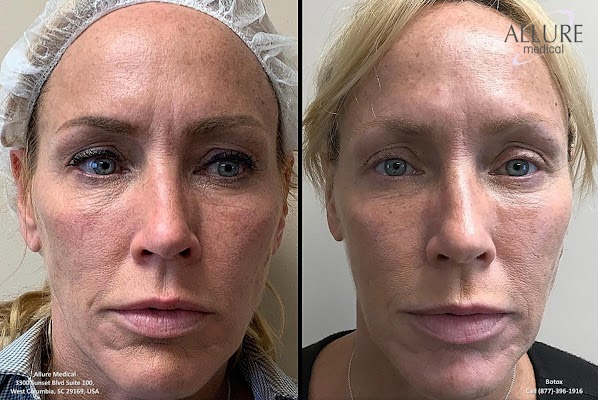
The dose is measured in units, and the placement is guided by facial mapping. Skin doesn’t respond to Botox directly. Muscles do. That is why a person with very thin skin and a strong frontalis needs a different plan than someone with thicker skin and low muscle tone. Understanding facial muscle dynamics, including how antagonists balance each other, separates natural outcomes from those cookie-cutter results people fear.
From Erasing Lines to Managing Movement
The older model of Botox was reactive. Wait for lines to bother you, then treat them. The modern approach treats movement patterns and long-term wrinkle formation prevention. We still soften lines, but the framework has shifted towards facial harmony principles and realistic expectations explained at the outset. Not every line should vanish. Some show intention, warmth, and presence. The goal is controlled wrinkle softening, not sterility. Patients want a refreshed appearance and natural beauty goals that fit their face, culture, and lifestyle.
Two ideas drive this pivot:
- Muscle memory over time: If a muscle spends months relaxing each year, it loses some hyperactivity. That can improve long-term maintenance, allowing lighter dosing or longer intervals for consistent long-term results. Facial expression balance: Weakening one muscle can unmask or overactivate another. For example, over-treating the forehead can make eyelids feel heavier because the brow elevator (frontalis) is suppressed while brow depressors still pull. Smart plans preserve balance rather than chasing a single line.
How Early Is “Preventative,” Really?
People ask about preventative Botox and when to start. There is no magic birthday. The answer depends botox near me on expression patterns, skin quality, and how early fine lines stick around after movement. In many clinics, the earliest candidates tend to be in their mid to late 20s, sometimes early 30s, when faint lines no longer fade fully at rest and when sunscreen alone isn’t cutting it. Early signs of aging show up first where movement is repetitive: between the brows, across the forehead, and at the crow’s feet.
Starting earlier does not mean more units. Often it means fewer units placed strategically to influence habitual movement. The art of restraint matters here. Preventative aesthetics explained well leads to fewer touch-ups, subtler changes, and a gentle trajectory rather than a sudden, noticeable shift.
First-Timers: What To Know Before The Needle
I tell people new to cosmetic treatments to treat the first session like a pilot test. Think of it as a dialogue with your face. After an assessment and detailed facial mapping, we place conservative doses, then watch the response over two to three weeks. This slow approach shapes a personalized treatment plan for balanced facial aesthetics.
Expect a clean process: a quick series of tiny injections, slight pressure afterward, and occasional pinpoint bruises that fade. Onset is gradual. Most notice a difference after 3 to 5 days, with full effect at 14 days. If you want subtle results, err on the lighter side at first. We can add more, but we can’t subtract.
Common myths still confuse patients. Botox does not fill lines like dermal filler. It does not treat sun damage or skin texture directly. It does not spread across the face if placed correctly. It does not ruin expressions when used with care. And no, you won’t look older when it “wears off.” You simply return to your baseline movement.
The Science of Wrinkles, Without Jargon
Wrinkles form from a mix of repeated muscle contraction, ultraviolet exposure, and intrinsic aging that thins skin and reduces collagen. Dynamic wrinkles are movement lines. Static wrinkles are etched in even at rest. Botox helps most where movement drives the crease. For etched lines, it still helps by reducing ongoing folding, but skin-directed strategies come into play: retinoids, sunscreen, antioxidants, and sometimes energy-based treatments like laser or microneedling to encourage collagen preservation concepts. The best outcomes come from pairing muscle relaxation science with skin health support.
Here is a simple way to visualize facial muscle dynamics. Imagine two ropes tugging a tent pole: the brow elevator and the brow depressors. If you relax the elevator too much, the pole slumps. If you relax the depressors too much, the pole shoots up and may look surprised. The most natural results come from adjusting both tugs just enough to keep the pole where it belongs.
Customization Beats Recipes
Cookie-cutter dosing exists online: standard unit counts for forehead, glabella, and crow’s feet. In practice, those recipes fall short for individual faces. Botox customization for individual faces relies on hand dominance, asymmetry, eyebrow shape, forehead height, and even communication style. A teacher who uses her forehead to project attention in class needs more lift preserved than a person with strong lids who already looks wide-eyed. A weightlifter who grinds their teeth might benefit from masseter treatment to reduce tension and tapered lower-face width, which also changes how the upper face reads.
Facial mapping explained well makes the process feel rational. You sit up, frown, raise your brows, smile, and we watch how the skin folds. We mark the points, consider your skin type, age group, and lifestyle, then shape a plan. This is facial structure awareness in action, and it is how subtle aesthetic enhancement happens.
Natural Movement Is the New Gold Standard
If you want natural results, you want movement that matches intention. The test I use is simple. Tell a joke. If your forehead can hint at mischief and your eyes can signal warmth, the dose is right. If your face cannot deliver the emotion you feel, something is off.
Botox for softening not freezing expressions rests on three pillars:
- Microdosing at strategic points to modulate rather than stop motion. Respecting antagonistic muscle pairs so lift and depressor forces stay balanced. Accepting a trace of animation lines to keep expressions honest.
People notice when something doesn’t match. Trust is built when you still look like you, just less tired. Confidence and self image improve when your face mirrors how you feel on a good day.
Planning by Age, Skin Type, and Pattern
A 28-year-old with oily, thick skin and a strong frown pattern needs different planning than a 48-year-old with dry, thin skin and etched crow’s feet. I broadly split strategies by patterns, not just age.
For early signs of aging, the focus is on small units in the glabella and a restrained touch to the forehead to avoid early brow drop. For midlife maintenance, the plan often expands to lateral eyes, bunny lines at the nose, and potentially a bit at the DAO to soften downturn at the mouth corners. Think of this as long term facial maintenance rather than spot-fixing.
Skin type influences longevity. Oilier skin sometimes hides fine lines longer, while thinner, sun-exposed skin etches earlier and benefits from a stronger pairing of Botox and preventative skincare strategies. Fitzpatrick skin types who tan rather than burn often have a different pattern of photodamage than those who burn easily. The backdrop always matters.
Session Rhythm and Long-Term Care
Classic teaching says effects last three to four months. In reality, patients see a range, roughly 10 to 16 weeks for most high-motion areas, sometimes longer in smaller muscles. With repeated use, some people can extend intervals to four or even five months, especially if they accept gentle movement returning rather than waiting for a full reset. Botox and long term skin planning should account for life rhythms: weddings, job changes, or seasonal photos. A sustainable plan chooses the minimum effective dose and avoids spikes in expression loss.
For those who worry about their face “forgetting how to move,” rest easy. Muscles retain function. They do not die. Over time, some habitual overuse fades, which is the goal for wrinkle formation prevention, but you can always scale down or pause.
Lifestyle Still Sets the Floor
Botox helps control movement, but lifestyle impact on results remains large. Ultraviolet exposure, smoking, sleep quality, and chronic stress drive the collagen story. Heavy endurance training can increase metabolic clearance for some patients, shortening duration slightly, though this varies. Hydration, retinoids, sunscreen, and gentle procedures to stimulate collagen matter more than most people think. If Botox controls the folding, skin care fortifies the fabric.
The Art of Restraint
Strong results without heavy hands define the modern treatment philosophy. When someone asks for “more,” I ask about their goals again. If they want a refreshed look for a reunion, a tiny bump might make sense. If they miss moving their brows playfully with their kids, we dial down. Restraint is not about withholding. It is about aligning technique with your expression habits and values. Subtle rejuvenation goals often yield the longest-lasting satisfaction.
Practical Scenarios From the Chair
A software engineer in her early 30s frowns while reading code and has two faint 11s at rest. She wants to keep sharp concentration and avoid future lines. We place a conservative glabellar dose with a small counterbalance at the tail of the brow where her depressors overpower her elevator. Two weeks later, she reports she can still focus, and the lines relax when she isn’t concentrating. That is preventative aesthetic care at its best, with muscle memory gently shifting over time.
A trial lawyer in his 40s often raises his brows during cross-examination. He worries about flattening his ability to emote under pressure. We use light forehead dosing, more effort on the glabella, and barely touch the lateral forehead to keep lateral lift. He keeps authority in the brows and loses the etched center crease.
A yoga teacher in her 50s dislikes crow’s feet that deepen in the sun. We treat the lateral orbicularis oculi lightly and pair it with diligent sunscreen and a peptide moisturizer. After two cycles, she extends her interval to five months. Her eyes still smile, but the paper doesn’t fold as hard.
Choosing a Provider and Setting Expectations
Credentials matter, but so does communication. Ask how they approach facial mapping. Ask how they preserve natural facial movement. Ask about a follow-up window at two weeks to adjust. If a clinic cannot explain Botox in simple terms, keep looking. Good providers ask about your job, social habits, and previous treatments to shape individualized aesthetics.
Expect unevenness in the first week. Asymmetries tend to settle by the two-week mark, when touch-ups fine-tune the result. Expect normal movement to return in stages as the product wears off. Plan around events, allowing at least 2 weeks buffer for full effect.
Where The Trends Are Headed
Several Botox trends are shaping modern aesthetics:
- Micro-patterning: More injection points with fewer units per point to smooth without flattening. Interval finesse: Gradually stretching intervals for those seeking consistent long-term results without constant appointments. Combination care: Gentle resurfacing or collagen-stimulating treatments used alongside Botox for skin health connection and smoother texture. Expression literacy: Providers coaching patients on how various micro-expressions arise from muscle groups, building shared language and clear expectations.
I also see a steady move toward educational consults. Patients arrive informed, ask about facial harmony, and prefer restrained plans. That is good for faces and for trust.
Safety, Side Effects, and Realistic Boundaries
Botox has an established safety record when performed by trained hands. The most common side effects are temporary: small bruises, a dull ache at injection sites, or a mild headache. Rare events like eyelid droop usually stem from product drifting into unintended muscles. Conservative dosing, avoiding heavy massage post-injection, and careful placement reduce risk.
There are boundaries to respect. Botox cannot lift skin that needs support, cannot erase deep static lines without help, and cannot change bone structure. Where volume loss or laxity dominates, we consider other tools. A candid conversation about the science of wrinkles and age-related facial changes helps prevent disappointment.
The Role of Psychology In Subtle Change
People don’t chase Botox for lines alone. They chase the feeling of looking rested and in sync with their inner life. Small changes can lift mood and social ease. That said, the line between thoughtful self-care and chasing perfection can blur. I sometimes recommend spacing treatments or focusing on sleep, stress, and skincare first. Better outcomes often follow. When expectations stay realistic and the plan favors restraint, confidence grows in a grounded way.
A Note on Symmetry and Character
Perfect symmetry isn’t human. Most of us have one brow that sits higher or a smile that pulls wider. Botox for facial symmetry concepts can soften dramatic asymmetries, but erasing all quirks can sanitize character. I like to preserve a patient’s signature features and tune the noise around them. The best compliments sound like: “You look good, did you go on vacation?” not “What did you do to your face?”
Planning Your First Year
If you are considering starting, map your first year with intention. Begin with a conservative session focused on a single zone that bothers you most, often the glabella or crow’s feet. Review at two weeks, adjust lightly if needed, then live with it for three months. Track how expression feels at work, in photos, and with friends. On the second session, refine dose and add a secondary zone if the first felt right. Layer skincare support throughout. By the third session, you will know your natural interval and the minimal dose that delivers a refreshed look.
A quick checklist can simplify the process:
- Define one clear goal in your own words, like “I want to soften my frown without losing focus.” Choose a provider who explains facial mapping and agrees to start light. Book with a two-week review to fine-tune. Pair treatment with daily sunscreen and a nighttime retinoid if tolerated. Keep notes on how expression feels during work and social moments to guide the next session.
What “Natural” Will Mean Next
The future of anti-aging with Botox is less about pushing product and more about tuning patterns. We will see smaller doses placed with finer precision, personalized maps based on facial aging patterns, and plans that measure success by presence, not paralysis. Providers will keep educating, and patients will come prepared to participate in the plan. The most skilled injectors will increasingly be those who can read faces in motion, respect the art of restraint, and anchor their choices in the science behind muscle relaxation and skin aging.
The patient who wanted to look like she was thinking? We relaxed her glabella, spared the central forehead, and gave a whisper of support at the brow tails. Two weeks later she walked in smiling. “I feel like me, but well-rested,” she said. That is the direction this field is moving: toward subtle control, balanced aesthetics, and long-term strategies that help you age with expression intact.
Frequently Asked Questions, Answered Well
How fast will I feel it? Give it 3 to 5 days for a hint of change, two weeks for the full effect. If you do not see improvement by day 14, ask for a follow-up.
How long does it last? Plan on 10 to 16 weeks. Some extend to 18 or more in small, low-activity areas. Movement returns gradually.
Will I look frozen? Not if dosing and placement match your facial dynamics. Ask your provider how they preserve lift and avoid over-treating antagonists.
Can I start in my 20s? If lines linger after expression or if you have a strong frown habit, small doses can help. Start light. You are guiding patterns, not stopping time.
Is it only for women? No. Men often need slightly higher doses due to larger muscles. The goal remains the same: facial harmony, not erasure.
Do I need to keep doing it forever? No. You can pause at any time. Many people maintain because they like the result and prefer graceful aging strategies rather than sudden jolts.
Final Thought
Botox’s future is thoughtful, personalized, and collaborative. It is about subtle anti-aging support that respects how you communicate with your face. When the plan centers on your patterns, your lifestyle, and your goals, results feel honest. And that is the most modern aesthetic standard of all.